Is Nob Hill Right For Your San Francisco Pied‑À‑Terre
July 9, 2026
July 9, 2026
If you want a San Francisco home that feels like a true city base from the moment you arrive, Nob Hill is hard to ignore. You may be looking for a place you can lock up, return to easily, and use as a launch point for work, weekends, or time in the city. This guide will help you weigh Nob Hill’s historic charm, daily convenience, and ownership trade-offs so you can decide if it fits your pied-à-terre goals. Let’s dive in.
Nob Hill offers a classic San Francisco experience with a central location and a strong sense of place. The neighborhood is closely tied to landmark hotels, historic architecture, cable cars, city views, and well-known cultural destinations.
It also gives you easy access to other major parts of the city. According to San Francisco Travel, Nob Hill sits near Chinatown, the Financial District, and Fisherman’s Wharf, with Grace Cathedral and Huntington Park adding recognizable anchors near the top of the hill.
For a part-time owner, that mix matters. Nob Hill can feel more like an urban home base than a quiet residential pocket, which is often exactly the point of a pied-à-terre.
If your ideal city home lets you step outside and get going without much planning, Nob Hill checks a lot of boxes. Walk Score rates the neighborhood at 99 for walkability and 96 for transit, noting that daily errands do not require a car.
SFMTA lists service from the California Cable Car, Powell-Hyde Cable Car, Powell-Mason Cable Car, and multiple Muni routes, including the 1 California, 2 Sutter, 38 Geary, and 47 Van Ness. That level of transit access can make short stays much easier, especially if you want to move around the city without relying on a vehicle.
You are also within walking distance of several destination neighborhoods and visitor areas. That can be a real advantage if your pied-à-terre is meant to support a flexible, car-light lifestyle.
Parking is one of the clearest compromises in Nob Hill. Grace Cathedral’s visitor information notes that parking on Nob Hill is fairly scarce and nearby street parking is limited.
That does not make the neighborhood a poor fit. It simply means the location tends to work better if you are comfortable using transit, walking, or rideshare instead of expecting easy garage access or routine street parking.
Many Nob Hill housing options reflect the neighborhood’s historic development pattern. The Lower Nob Hill Apartment Hotel Historic District includes 3- to 7-story multi-unit residential buildings, largely built after the 1906 earthquake and into the 1920s and 1940s.
These buildings often fill their lots and feature flat roofs, projecting cornices, and historic ornamentation. They were originally developed as apartment and hotel housing for a broad mix of residents and travelers.
For you, that usually means older condo or apartment-hotel style buildings are more common than brand-new construction. The result can be a more traditional feel, with layouts and common areas that vary widely from one building to the next.
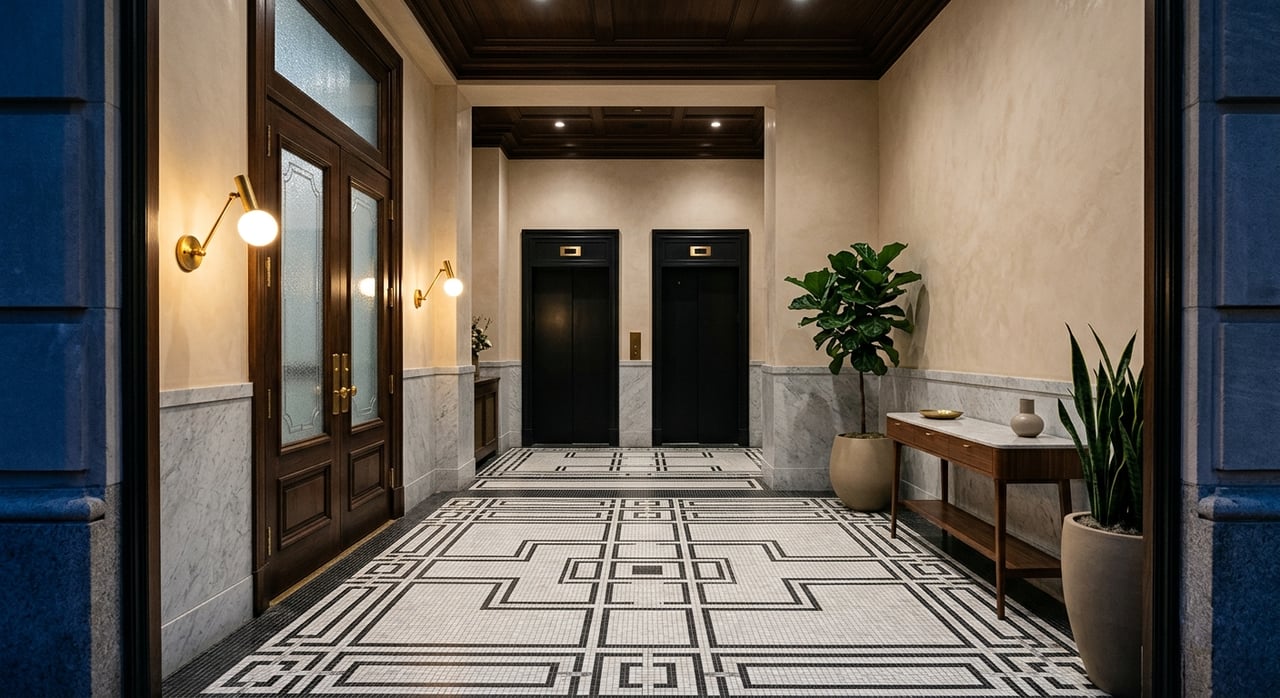
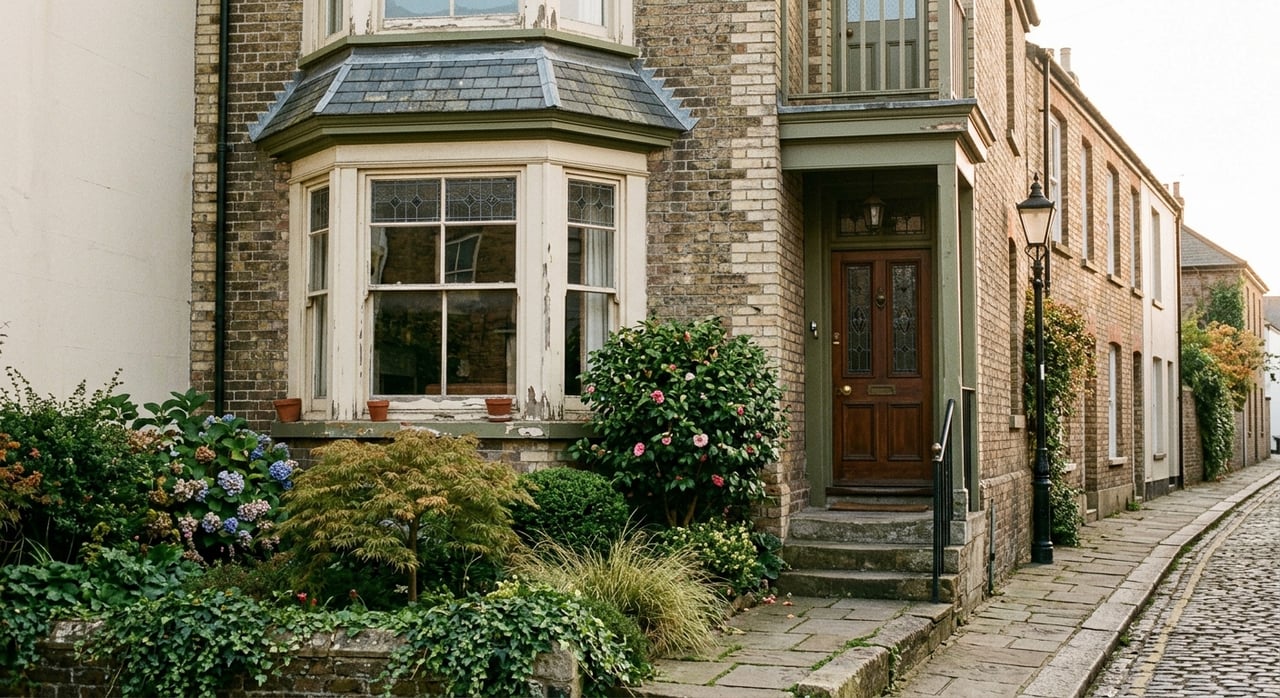
A pied-à-terre in Nob Hill often delivers the kind of architectural character many buyers want from a San Francisco property. In older apartment buildings, features like lobbies, staircases, elevator lobbies, corridors, doors, window trim, and main rooms can contribute to a more classic interior experience.
That traditional feeling is part of the neighborhood’s appeal. If you want sleek new construction, Nob Hill may feel less aligned with your priorities.
If you plan to renovate, historic status matters. San Francisco Planning notes that Article 10 landmarks and historic districts can require Certificate of Appropriateness review for compatible alterations, while buildings listed only in the National or California Registers are treated differently.
In practical terms, you should not assume every update will be simple. For a buyer who wants a low-maintenance second home, checking a building’s designation and renovation limits early can save time and frustration.
In a neighborhood with older buildings, the HOA can affect your ownership experience as much as the unit itself. In California common-interest developments, the HOA typically collects dues, enforces rules, and manages many shared responsibilities.
The Davis-Stirling Act governs areas such as finances, maintenance responsibilities, elections, and dispute resolution. For a pied-à-terre buyer, that makes document review a core part of due diligence, not just a formality.
California Civil Code Section 5550 requires a reasonably competent visual inspection of major common-area components at least once every three years as part of reserve study requirements. In an older Nob Hill building, this matters because maintenance needs can be more significant and less predictable.
A healthy reserve does not remove every risk, but it can tell you a lot about how a building plans ahead. Weak reserves or a pattern of special assessments may signal future costs that deserve careful review.
The California Department of Real Estate guidance makes clear that owner versus association responsibility depends on the property’s physical setup and the governing documents. In a true condominium, your unit is generally the airspace within common walls, while interior paint and non-structural fixtures are usually the owner’s responsibility.
Doors, windows, patios, and balconies may also fall to the owner depending on the CC&Rs. That is especially important for a part-time owner who wants few surprises after closing.
The California Department of Insurance says the condo association generally insures the structure and common areas. Your own policy typically covers personal property, loss of use, liability, and interior improvements that you are responsible for maintaining.
Loss-assessment coverage may also be important, and buyers should verify whether earthquake loss is covered. For a pied-à-terre, that insurance split should be clear before you buy, not after.
Nob Hill is often a strong match if you want a centrally located San Francisco base with historic character and strong transit access. It can work especially well if your priority is being able to arrive, settle in quickly, and enjoy the city without feeling far removed from it.
It may also appeal to buyers who value architecture, established buildings, and a neighborhood that feels unmistakably San Francisco. If the setting itself is part of the purchase decision, Nob Hill brings a lot to the table.
Nob Hill may be less ideal if you want a newer-building feel, straightforward parking, or a very low-touch ownership setup. Older buildings can come with more variation in systems, layouts, HOA health, and renovation limits.
That does not mean you should rule the neighborhood out. It does mean your purchase decision should focus on the specific building and HOA just as much as the view, address, or unit finishes.
If you are considering a Nob Hill pied-à-terre, keep your review focused on the details that shape daily use and long-term ease:
In a neighborhood like Nob Hill, the right building can make the experience feel effortless. The wrong one can create more upkeep than you bargained for.
If your idea of a pied-à-terre is a polished San Francisco base with classic architecture, strong transit, and easy access to major city destinations, Nob Hill deserves a serious look. If you want abundant parking, a newer condo feel, or minimal HOA homework, it may be a less natural fit.
The key is matching the neighborhood and the building to how you will actually live in the home. If you want experienced guidance on evaluating Nob Hill condos and historic building trade-offs, Level 5 Real Estate can help you buy with clarity and confidence.
Stay up to date on the latest real estate trends.
July 16, 2026
July 9, 2026
July 2, 2026
June 25, 2026
June 18, 2026
June 11, 2026
You’ve got questions and we can’t wait to answer them.