North Beach Small Scale Investing vs. Russian Hill
April 23, 2026
April 23, 2026
Thinking about buying a small income property in North Beach or Russian Hill? These two San Francisco neighborhoods can look similar at first glance, but they can underwrite very differently once you dig into price, rent rules, historic review, and renovation risk. If you want to invest with more clarity and fewer surprises, this guide will help you understand where the opportunities may be, what can affect returns, and how to approach due diligence with confidence. Let’s dive in.
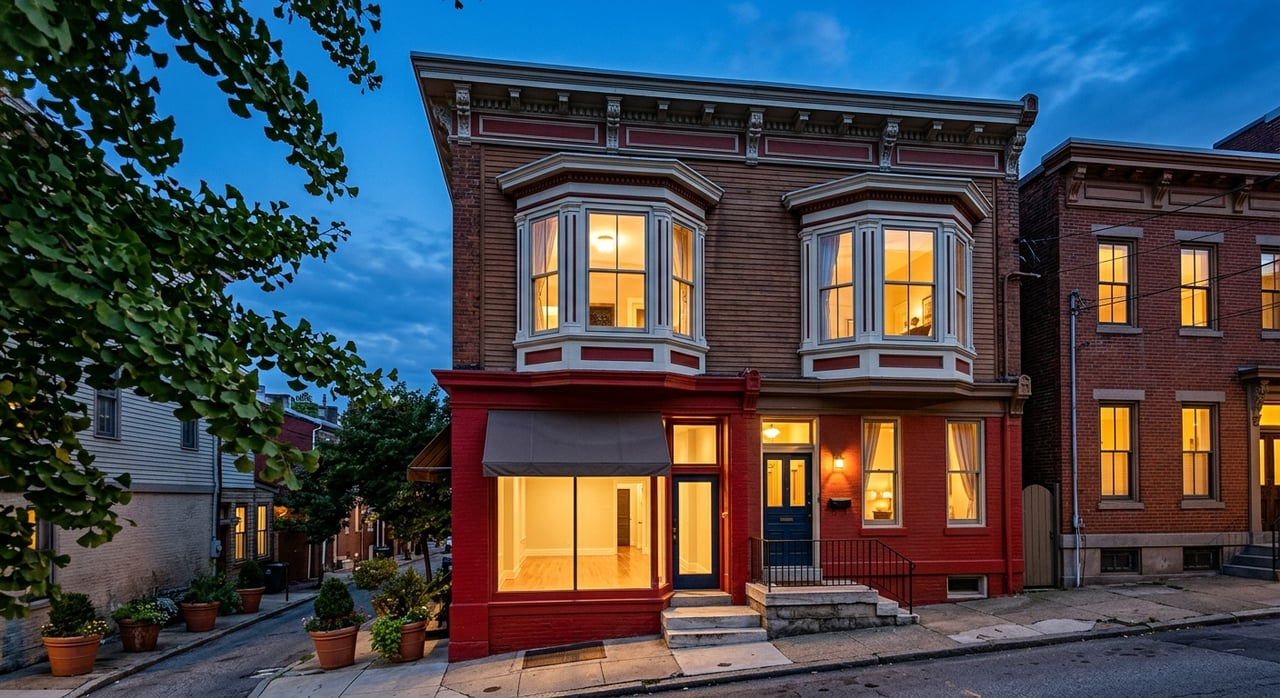
North Beach and Russian Hill both sit in San Francisco’s north-of-downtown fabric, and both are shaped by older buildings, walkable blocks, and a strong sense of place. According to San Francisco Planning’s neighborhood material, North Beach is defined by a pedestrian-scaled pattern of low-rise historic buildings and small-scale development. The neighborhood-commercial district is intended to preserve that scale, with neighborhood-serving retail at street level and homes or offices above.
Russian Hill has a different physical mix. The same SF Planning source describes Russian Hill as a combination of smaller older buildings and taller towers, while historic-district material for the Russian Hill/Vallejo Street Crest area points to a steeply sloped, largely wood-frame, two- to four-story building fabric.
For you as a small-scale investor, that usually means the most realistic opportunities are existing flats, condo-style units, mixed-use corner buildings, and small apartment properties. In these areas, value often comes from better leasing, thoughtful repositioning, and selective renovation rather than adding major new square footage.
If you are comparing the two, the biggest differences often come down to entry price, building complexity, and approval risk. North Beach may offer a more accessible entry point, while Russian Hill often requires more capital and a stronger tolerance for older-building issues and preservation review.
Here is a simple side-by-side look based on the research provided:
| Factor | North Beach | Russian Hill |
|---|---|---|
| Typical neighborhood form | Low-rise, pedestrian-scaled, historic fabric | Mix of older small-scale buildings and taller towers |
| March 2026 median sale price | $973,000 | $1.425 million |
| Median days on market | 14 days | 30 days |
| Sale-to-list ratio | 105.4% | 102.9% |
| Active listings | 10 | 36 |
| Active rentals | 13 | 17 |
| Reported median rent | $2,395 | $5,775 |
The rent figures should be handled carefully because the active rental samples are small. Still, the broader backdrop remains important: San Francisco Planning’s latest equity analysis shows a citywide median rent of $3,040 and a housing vacancy rate of 3.8%, which points to a relatively tight rental environment.
Competition matters when you are trying to buy well. In North Beach, Redfin’s market data shows a March 2026 median sale price of $973,000, a median of 14 days on market, and a 105.4% sale-to-list ratio. The same source describes the area as very competitive, with many homes receiving multiple offers.
For Russian Hill, the research report notes a March 2026 median sale price of $1.425 million, 30 median days on market, and a 102.9% sale-to-list ratio, with hot homes moving quickly and often receiving multiple offers. In practical terms, both neighborhoods can reward prepared buyers who reduce uncertainty for sellers.
That means your offer strategy may matter almost as much as your price. Strong pre-approval, clear proof of funds, and shorter contingency windows can help, but only if you already understand the property’s condition and regulatory profile.
For small-scale investing in San Francisco, rent law is not a side issue. It is a core underwriting issue. The San Francisco Rent Board’s published rates show that for most privately rented units covered by the local Rent Ordinance, the annual allowable increase is 1.6% for March 1, 2026 through February 28, 2027.
That same city source also notes that landlords must obtain a rent increase license before imposing annual or banked increases after reporting into the Housing Inventory. For units that are exempt from local rent control but covered by AB 1482, the current statewide cap in San Francisco is 6.3% for August 1, 2025 through July 31, 2026.
One more detail matters a lot when you are evaluating turnover. The city states that there is no limit on the first rent charged when a vacant unit is covered by local rent control. That can materially affect your assumptions, especially if you are analyzing a building with existing tenants and trying to estimate what happens over time rather than immediately at closing.
If you are buying a tenant-occupied property, make sure you understand how just-cause rules affect your timeline and costs. The City and County of San Francisco’s overview of just-cause evictions explains that landlords need a just-cause reason to evict covered tenants.
The city identifies different pathways, including owner or relative move-in, Ellis Act withdrawal, temporary removal for capital improvements, demolition or permanent removal, and substantial rehabilitation. Each path can involve its own notice requirements and relocation rules, and Ellis Act relocation amounts are adjusted each March 1.
For an investor, this means you should never assume vacancy without verifying what is legally possible, what it may cost, and how long it may take. A property that looks attractive on paper can underperform quickly if the occupancy assumptions are off.
Older San Francisco buildings can offer upside, but they also demand respect. In North Beach and Russian Hill, many properties are older wood-frame buildings, and that creates a specific due-diligence profile.
The city’s soft-story retrofit guidance is especially important because some wood-frame multifamily buildings are subject to the mandatory Soft Story program. If a property falls into that category, the cost and timing of compliance should be built into your numbers early.
You also want specialists who understand older San Francisco systems. Roof conditions, plumbing, common-area wear, structural movement, and deferred maintenance can all affect your actual return more than cosmetic issues do.
Not every improvement is simple in these neighborhoods. In North Beach, the research report notes that new construction or significant enlargement on lots of 2,500 square feet or larger requires Conditional Use authorization. It also notes that garage openings in buildings with two or more units face Mandatory Discretionary Review.
Properties in listed or potentially eligible historic districts may also require review under Secretary of the Interior standards. In Russian Hill, properties within the Russian Hill/Vallejo Street Crest historic district can face similar preservation review.
That does not mean you should avoid these areas. It means you should buy with a realistic plan. Exterior changes, façade updates, garage work, and expansion concepts may take more time and coordination than many first-time investors expect.
In neighborhoods like these, disciplined underwriting can protect you from expensive assumptions. Before you write an offer, focus on the issues most likely to affect income, timeline, and renovation scope.
A practical checklist includes:
This kind of upfront work can help you decide whether a property is truly value-add or simply more complicated than it first appears.
If your priority is a lower entry point, North Beach may be worth a closer look. Based on the research report, it appears to offer a lower median sale price and a built environment that often aligns with smaller-scale acquisition opportunities.
If your priority is long-term positioning in a neighborhood with higher price points and a broader mix of building types, Russian Hill may appeal to you more. You may also need to be more comfortable with higher capital requirements and a potentially more complex renovation or review process.
In both neighborhoods, the best opportunities often come from knowing how to evaluate the block, the building, and the rules together. That is where local market knowledge and renovation experience can make a meaningful difference.
If you are considering a condo, flat, or small multi-unit property in North Beach or Russian Hill, Level 5 Real Estate can help you evaluate the numbers, the building, and the renovation path with a practical, neighborhood-specific lens.
Stay up to date on the latest real estate trends.
July 16, 2026

July 9, 2026
July 2, 2026
June 25, 2026
June 18, 2026
June 11, 2026
You’ve got questions and we can’t wait to answer them.