Marina District Waterfront Living & Buyer Risk Guide
February 19, 2026
February 19, 2026
Salt air, golden sunsets, and flat streets with bay views make the Marina District one of San Francisco’s most coveted places to live. If you are drawn to jogs along the water and coffee on Chestnut, you are not alone. You may also be wondering about liquefaction, flood maps, and insurance. In this guide, you will get a clear, practical overview of waterfront living in the Marina and the risk basics to verify before you buy. Let’s dive in.
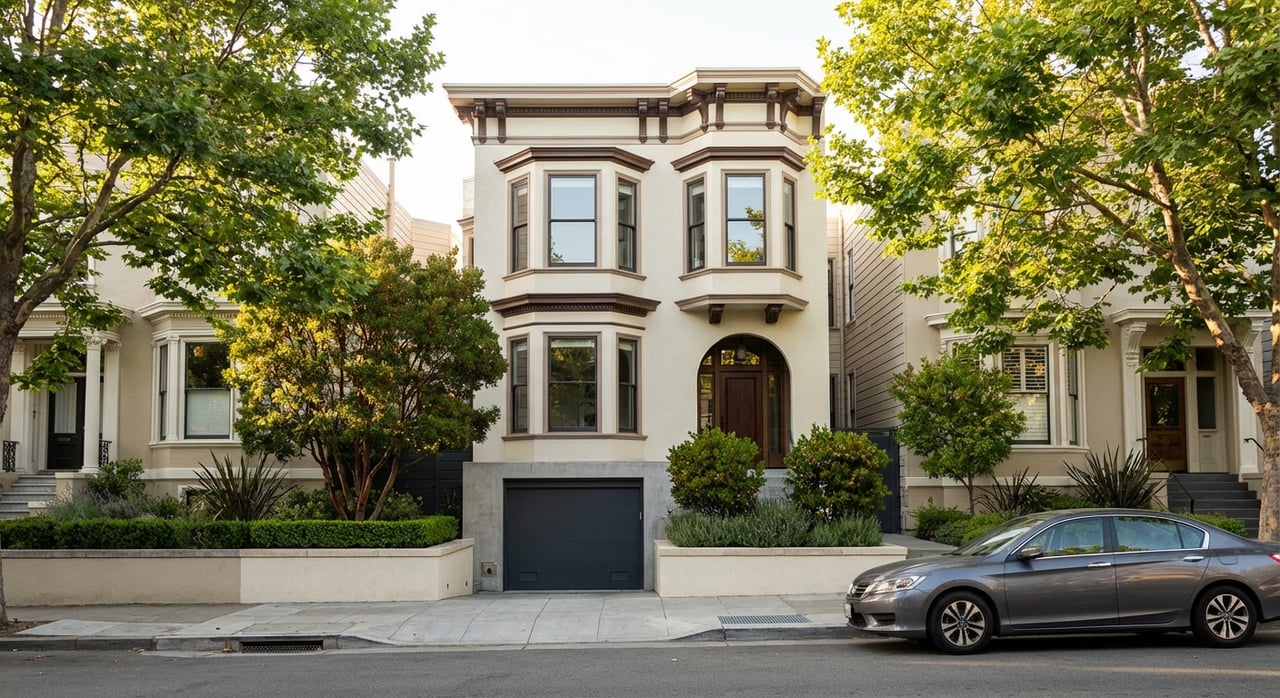
San Francisco’s Marina District sits along the city’s north waterfront, bordered by the Presidio to the west, Van Ness to the east, and Lombard to the south. The neighborhood is known for its flat, walkable blocks, a mix of single-family homes and low-rise condos, and easy access to parks and the Bay. For quick context on location and history, see the Marina District in San Francisco.
Two signature open spaces define daily life here. The first is the broad lawn and promenade at the Marina Green, a magnet for runners, sailors, and sunset watchers. The second is the monumental Palace of Fine Arts, a beloved landmark with a lagoon and walking paths. Add in the Chestnut Street dining and retail corridor, and you get a lifestyle that blends waterfront recreation with city convenience.
Much of the Marina sits on historic bay fill that was placed after the 1906 earthquake and for the 1915 Panama–Pacific Exposition. In strong shaking, water-saturated sandy soils can temporarily behave like a liquid, a process called liquefaction. The USGS liquefaction hazard maps for the Bay Area identify large parts of the Marina as highly susceptible. During the 1989 Loma Prieta earthquake, liquefaction and lateral spreading caused notable ground failure and building damage in this neighborhood.
California’s official Seismic Hazard Zones are regulatory. If a property lies within a mapped liquefaction zone, sellers must disclose that fact, and local building departments typically require a site-specific geotechnical investigation for major permits. You can review the framework in the California Geological Survey's Seismic Hazard Zones. In practice, this means you should expect an engineering review for significant remodels or new foundations on mapped parcels, and you should factor soil conditions into your due diligence.
Flood risk is parcel specific. Some shoreline properties fall into FEMA Special Flood Hazard Areas, while others do not. If you finance with a federally regulated or insured lender and the property is in a mapped Special Flood Hazard Area, the lender will usually require flood insurance. For a plain-English overview of how the National Flood Insurance Program and the mandatory purchase rules work, see the Congressional overview of the NFIP and mandatory purchase rules. Always run a flood determination for the exact lot you are considering.
Rising bay levels can push groundwater closer to the surface. In fill areas, higher groundwater can increase both the severity and footprint of liquefaction during a future quake. The USGS work on liquefaction and sea level rise explains how these hazards interact. The takeaway is simple. Liquefaction and flood are related considerations along the waterfront, and a site-specific soils study is the best tool to understand your property-level risk.
Standard homeowner policies typically exclude earthquake damage. Most homeowners who want earthquake protection buy a separate policy, often through carriers that participate in the California Earthquake Authority. Premiums vary with construction type, location, building age, and coverage limits. Do not rely on averages. Ask your agent for a property-specific quote and confirm what any HOA master policy covers, especially for condos.
Flood is also excluded from standard policies. Coverage is available through the National Flood Insurance Program or private flood insurers. If your property is in a FEMA Special Flood Hazard Area and you use a federally backed lender, flood insurance is usually required. Condo associations in these zones often purchase a master flood policy. As a buyer, verify that the master policy is adequate, understand any coinsurance rules, and determine whether you need supplemental unit coverage. The NFIP rules in the Congressional overview provide the high-level context you need.
If you plan a major renovation, expect geotechnical and structural input early. On mapped liquefaction sites, permits for substantial work usually require a soils report with recommendations for foundations and any needed ground improvement. Common mitigation tools in shoreline neighborhoods include pile foundations to reach competent strata, mat or raft foundations designed to handle some movement, and ground improvement methods that densify or stabilize soils. Costs vary widely by site and scope, which is why a site-specific engineering plan is essential.
Many older multi-unit buildings in San Francisco have a “soft story” at the ground level, such as large garage openings. The city requires seismic strengthening of qualifying buildings under San Francisco's Mandatory Soft-Story Retrofit Program. If you are buying a condo or multi-unit property, confirm the building’s compliance status and ask for engineering reports tied to any completed work.
Use this list to move from interest to clarity.
Engineering and mitigation range from modest retrofit work to full foundation replacement. Your actual cost depends on soils, water table depth, building type, and whether work can happen from inside or requires exterior access. Get bids only after your geotechnical and structural teams define the scope. Then add a time buffer for permitting and contractor lead times.
Well-documented engineering is an asset to future resale. Buyers value clarity, and lenders and insurers do too. If you pursue improvements, keep a tidy record of soils reports, plans, permits, inspection cards, and warranties. Waterfront lifestyle with a sound, engineered foundation is a compelling long-term value story.
If you want flat, walkable streets, quick access to the water, and a classic San Francisco neighborhood feel, the Marina will be on your shortlist. You can enjoy the benefits of this location while managing risk with smart due diligence. The key is confirming parcel-specific conditions early, assembling the right experts, and making insurance decisions that match your risk tolerance and lender requirements.
Navigating the Marina is about more than listings. It is about block-level insight, realistic scopes, and calm project management from offer through close. If you want a senior-led team to coordinate due diligence, connect you with trusted engineers, and negotiate with clarity, reach out to Level 5 Real Estate. Contact Mary for a complimentary market consultation.
Stay up to date on the latest real estate trends.

July 16, 2026

July 9, 2026

July 2, 2026

June 25, 2026

June 18, 2026

June 11, 2026
You’ve got questions and we can’t wait to answer them.