Victorian vs Edwardian Homes: Pacific Heights Style Guide
December 18, 2025
December 18, 2025
Not sure if the Pacific Heights home you love is Victorian or Edwardian? You are not alone. The two styles sit side by side on many blocks, and the differences matter for value, maintenance, and renovation plans. In a few minutes, you will know how to spot each style and what that means for inspections, permits, and long‑term upkeep. Let’s dive in.
Victorian homes in San Francisco date to the late 19th century and include substyles like Queen Anne, Stick/Eastlake, Italianate, and Second Empire. Edwardian homes followed in the early 20th century, especially during the rebuilding after the 1906 earthquake. In Pacific Heights, you often see late‑Victorians from the 1870s–1890s next to early‑1900s Edwardians. The build era hints at likely materials, layouts, and the scope of modernization you might need.
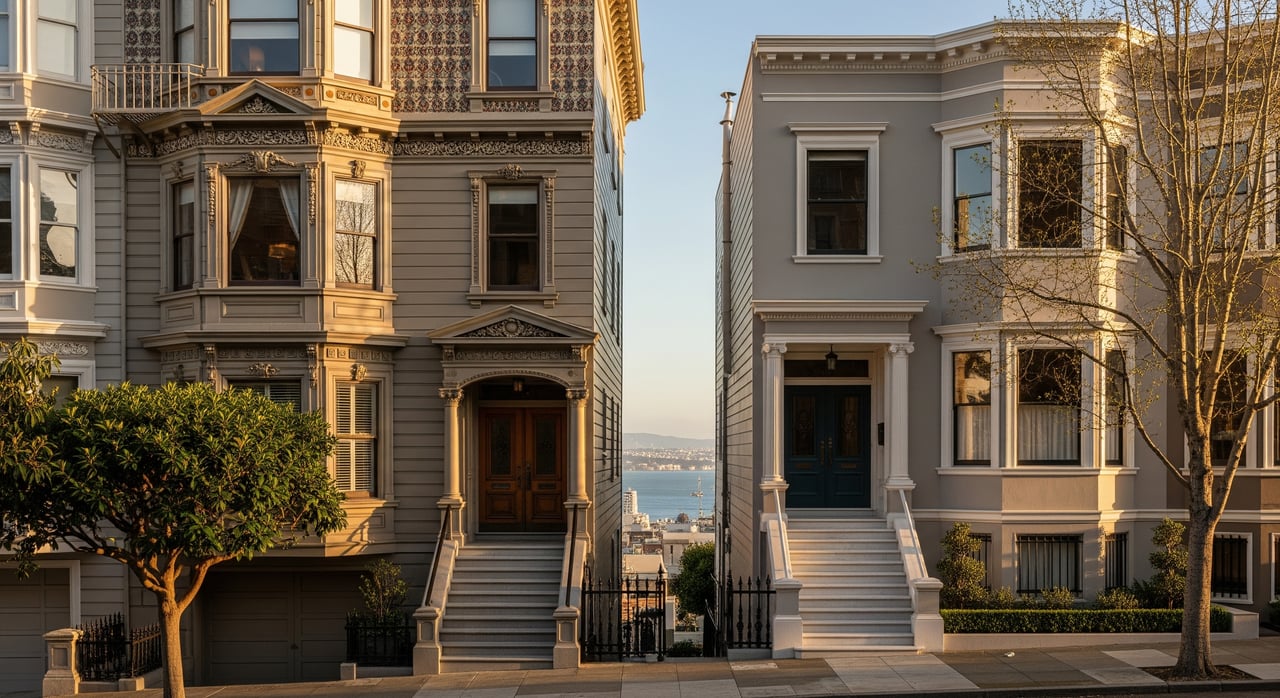
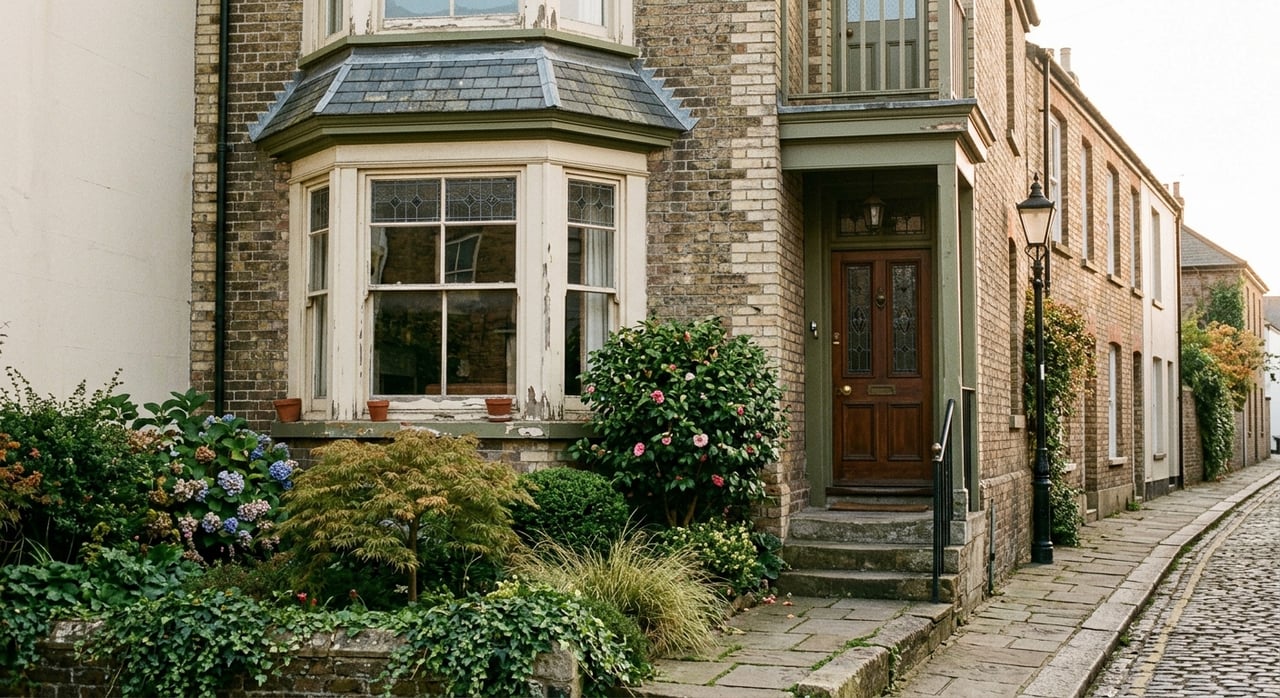
Victorians lean into ornament. Look for patterned shingles, spindlework, brackets, and decorated cornices. Facades are often asymmetrical with projecting bays or a turret and steeper rooflines. Windows tend to be taller and narrower, with layered trim that pops in multi‑color paint schemes.
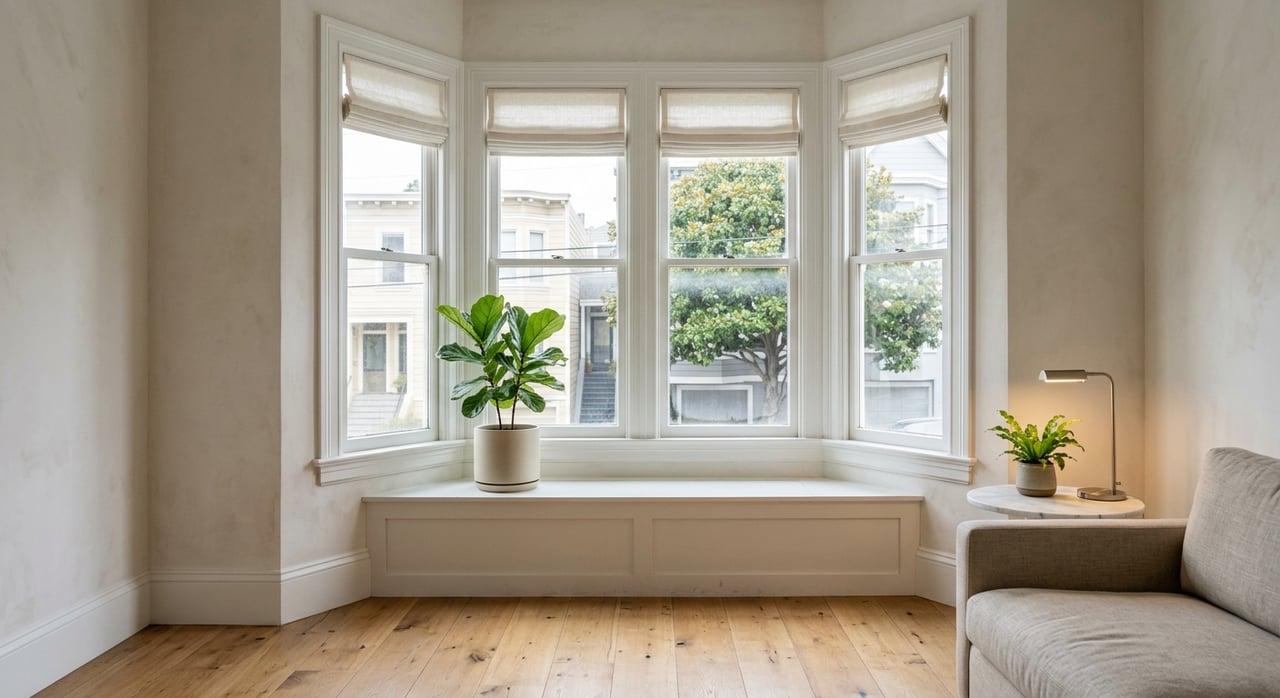
Edwardians pull back on decoration. Expect cleaner lines, squarer facades, and full‑height rectangular bays instead of turrets. Roofs are simpler with lower pitches. Trim is plainer and more classical in proportion, and windows are often wider with larger panes.
Victorians favor formality and fine detail. You will often see a parlor, drawing room, and dining room separated by walls and pocket doors. Circulation can feel narrow, and rooms can be smaller but richly finished with ornate mantels, heavy moldings, picture rails, and plasterwork. Kitchens were originally small and set at the back or lower level, and many bathrooms were added later.
Edwardians simplify the plan for better flow and daylight. Rooms tend to be larger and more rectilinear, which makes adapting to modern living easier. Built‑ins and mantels are typically less ornate. Many Edwardians were planned with more modern conveniences for the time, so kitchen and bath upgrades may face fewer structural constraints.
Both eras are primarily wood‑frame construction. Older houses often use balloon framing, which creates continuous wall cavities and affects seismic and fire behavior. Foundations vary from full basements to crawlspaces and piers, and many homes show later modifications tied to retrofit work.
Victorians frequently have wood siding and patterned shingles, while Edwardians often use smoother clapboards and sometimes stucco. Original single‑glazed wood sash windows are common; many homes have sensitive retrofits or replacements to improve performance while preserving character. Plaster walls and ceilings are typical, with drywall introduced in later remodels.
Expect legacy electrical such as knob‑and‑tube and older plumbing like galvanized supply and cast‑iron waste lines. Original heating in both eras was often fireplaces or radiators; central heating or cooling is usually a later addition. System upgrades are a frequent line item in renovations.
Many period homes pre‑date modern seismic codes. Common upgrades include soft‑story retrofits, foundation strengthening or tying the house to a new foundation, and adding shear panels or framing ties. Bring in a structural engineer early if you plan significant work. Sellers sometimes complete targeted retrofits before listing to reduce buyer objections and improve insurability.
Coastal fog and wind test exterior wood. Watch for paint failure, cracked caulking, and rot around bay windows and trim. Regular paint cycles, flashing improvements, and timely siding repairs protect value and reduce larger restoration costs down the road.
Poor grading and clogged gutters can lead to water intrusion at foundations and under bays. Plumbing leaks behind walls or under floors can create concealed deterioration. A careful moisture and crawlspace check is essential in pre‑purchase due diligence.
Undersized service panels, knob‑and‑tube wiring, galvanized supply lines, and older cast‑iron waste lines are common. Plan for testing and upgrades to meet modern loads and insurance requirements. For homes built before 1978, lead‑based paint is likely, and some early 20th‑century materials may contain asbestos. If you plan to disturb painted surfaces, insulation, or flooring, arrange proper testing and abatement.
Decades of alterations mean many homes have unpermitted conversions or non‑compliant additions. A permit history and municipal records search helps you understand what you are buying and what you may need to legalize.
A proven order reduces surprises: start with investigative inspections, then structural and subsurface work, followed by utilities, interior finishes, and finally exterior repairs and repainting. Early structural and system planning protects finish work and cabinetry from rework.
Rear additions and interior reconfiguration are common paths to larger kitchens and additional baths. Attic or basement conversions can work but are limited by stairs, headroom, and structure. Accessory Dwelling Units and basement units are more feasible today under evolving rules, though historic properties may face added review. Unpermitted units are common and typically require utility upgrades and proper egress for legalization.
You can blend restoration with modernization. Repair and conserve defining features like staircases, trim, mantels, and floors where possible. Insert contemporary kitchens and baths in secondary spaces and match original profiles when replacements are necessary in character‑sensitive areas.
San Francisco regulates historic resources, and many Pacific Heights properties fall under conservation or landmark review. Exterior changes that affect character‑defining features may require Planning review or a Certificate of Appropriateness. Significant structural, mechanical, or layout changes will need building permits. Work with contractors familiar with San Francisco procedures to manage timelines and approvals.
Authentic period details in good condition tend to command a premium with buyers who seek historic character. High‑quality modernizations and documented system upgrades reduce buyer contingencies and improve marketability. A clean permit history increases confidence.
Deferred seismic or structural issues, outdated electrical or plumbing, and unpermitted work can depress offers or drive requests for credits. Incompatible replacements, such as non‑matching windows, can harm perceived authenticity and may invite additional review.
Choosing between a Victorian and an Edwardian in Pacific Heights is not only a style decision. It is a plan for inspections, scope, permits, and where to invest for the best return. With hands‑on renovation oversight and block‑level market insight, you can preserve what matters, modernize where it counts, and position your home for a confident sale or purchase.
If you want senior‑level guidance on preparation, renovation strategy, or a targeted search in Pacific Heights, reach out to Level 5 Real Estate. Contact Mary for a complimentary market consultation.
Stay up to date on the latest real estate trends.
July 16, 2026
July 9, 2026
July 2, 2026
June 25, 2026
June 18, 2026
June 11, 2026
You’ve got questions and we can’t wait to answer them.