Nob Hill Condo And Co-Op Buyer Guide
March 24, 2026
March 24, 2026
Buying in Nob Hill puts you in the heart of classic San Francisco, with skyline views, historic towers, and polished lobbies. If you are drawn to the neighborhood’s full‑service buildings, you will likely compare condominiums to stock cooperatives, and the differences matter. In this guide, you will learn how ownership works, what lenders look for, how to navigate co‑op boards, and how to read dues and reserves with confidence. Let’s dive in.
Nob Hill is rich with multi‑unit housing, including pre‑war flats, mid‑ and high‑rise cooperatives, and full‑service condominium towers. City studies confirm that San Francisco’s core neighborhoods skew toward multi‑family inventory rather than single‑family homes. You will see that mix as you walk the hilltops and the blocks surrounding them, with many buildings offering staffed services and shared amenities. For a citywide view of inventory trends, review the latest Housing Inventory report from the San Francisco Planning Department.
San Francisco’s Housing Inventory report provides helpful context.
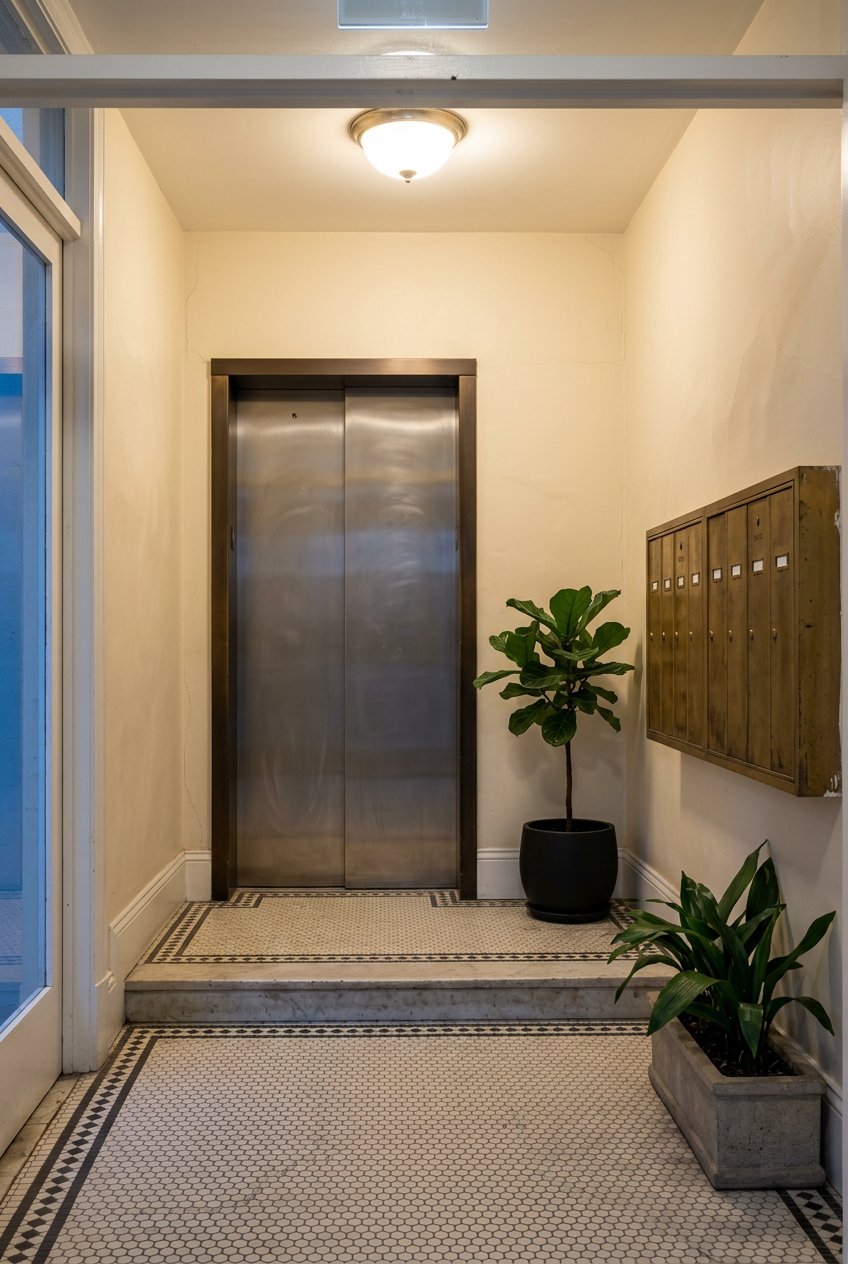
Full‑service buildings in Nob Hill commonly offer attended lobbies, on‑site management, elevators, and secured garage parking where available. Rooftop terraces and fitness rooms are common in newer or upgraded properties, with dedicated storage in select buildings. Lower‑rise pre‑war properties often trade a long amenity list for historic detailing like crown molding and hardwood floors. The specific mix varies by building and by how recently systems and common areas were updated.
Monthly dues in the San Francisco metro run above national averages, and full‑service towers often charge more because they include staffing, insurance, and building operations. In co‑ops, carrying charges may also cover a share of the corporation’s blanket mortgage and property taxes, so they can appear higher at first glance. Citywide resources note a broad range, from the low‑to‑mid‑hundreds per month for some buildings to four figures for larger, full‑service units. Always verify what is included in dues for the specific building you are considering.
See a citywide overview of how HOA fees can vary.
When you buy a condominium, you receive a deed to a defined unit, plus an interest in the common areas through the homeowners association. When you buy in a stock cooperative, you purchase shares or a membership interest in the corporation that owns the building and receive a proprietary lease for your unit. California’s Davis‑Stirling framework recognizes stock cooperatives within the broader category of common‑interest developments. Understanding this title versus shares‑plus‑lease difference sets up everything else.
Review California’s definition of stock cooperatives.
In a condo, HOA dues typically cover common area expenses, insurance on shared spaces, and reserve contributions. In a co‑op, the monthly maintenance, often called a carrying charge, usually covers the co‑op’s operating costs and may also include a portion of the building’s underlying mortgage, master insurance, property taxes, and some utilities. This bundling can make co‑op maintenance feel higher, but you are paying for items condo owners might pay separately. Reviewing the co‑op’s budget will show you exactly what is included.
The National Cooperative Bank outlines how co‑op carrying charges work.
Condo resales typically transfer by deed, and while you will follow HOA rules, there is rarely a board interview. Co‑op transfers involve selling shares, are governed by the proprietary lease and bylaws, and most boards have approval rights. Boards can request detailed documentation, require interviews, and may impose conditions that fit their policies and financial standards.
Learn how co‑op approvals and lender steps differ from condos.
Most co‑op buyers use a share loan, which is secured by the borrower’s stock certificate and an assignment of the proprietary lease. Lenders typically require a three‑party recognition agreement so the co‑op corporation acknowledges the lender’s collateral rights and notices. This agreement is a standard closing requirement for funding a co‑op loan.
See a sample cooperative loan recognition agreement.
Fannie Mae and Freddie Mac maintain project‑level eligibility standards for co‑ops. They review the building’s financials, insurance, owner‑occupancy, delinquencies, any blanket mortgage, and material litigation before they will purchase share loans. Co‑ops that do not meet these standards are considered non‑warrantable, which narrows the lender pool and can lengthen timelines.
Review Fannie Mae’s co‑op project eligibility criteria.
FHA and other government programs treat condos and cooperatives differently and often require project approval along with minimum standards for insurance, reserves, and occupancy. Cooperative approvals for these programs are less common, and options may be limited. If you need government‑backed financing, speak with a lender early and confirm the project’s status before you write an offer.
A typical co‑op buyer package includes your completed application forms, a personal financial statement, recent tax returns, pay stubs and bank or investment statements, reference letters, government ID, and your loan commitment or proof of funds. You will also provide the purchase contract and any building‑specific forms and fees. Assemble a clean, complete packet the first time to reduce back‑and‑forth.
Use this board‑package checklist as a reference.
Plan for added time compared to most condo purchases. Preparing a strong board package can take several days to a few weeks, depending on how quickly you gather documents and references. After submission, board review and interviews often add two to six weeks, and follow‑up requests can extend that window.
Boards may set minimum down payments, outline sublet restrictions, or require that certain assessments be paid before closing. They may also review pet policies, move procedures, and application or attorney‑review fees as part of the process. While boards can reject applicants for legitimate, non‑discriminatory reasons, proactive preparation helps reduce surprises.
Here is a useful overview of co‑op approval mechanics.
Before you lift contingencies, request the full resale package or co‑op disclosure set. For condos, that means the CC&Rs and bylaws, the current budget, balance sheet, reserve study, insurance summary, recent meeting minutes, and an estoppel or resale certificate showing current assessments and any pending changes. Co‑ops add the proprietary lease, stock certificate copy, details on any blanket mortgage, and recent corporate minutes.
California’s Davis‑Stirling resources outline association disclosures.
California associations are required to prepare reserve studies and disclose a percent‑funded figure in annual packets. A materially low percent‑funded level, especially under roughly 50 percent, is a sign that special assessments are more likely. Meeting minutes and budgets will also reveal whether large projects are planned in the near term.
Understand California’s reserve‑study and disclosure standards.
Lenders and agencies evaluate owner‑occupancy, assessment delinquencies, master insurance coverage, and any material litigation that could impact operations. Significant construction defect claims or habitability lawsuits often disqualify projects from conventional programs and can slow or block resales. Ask your lender to run project‑level checks early, and confirm how any issues might affect your loan.
See how agencies evaluate co‑op projects and risks.
San Francisco’s mandatory seismic programs have required many older buildings to complete structural upgrades. Outstanding retrofit obligations or open Department of Building Inspection actions can lead to large capital work and special assessments. Short‑term rental rules also layer in: while the city issues registrations and sets host residency requirements, private HOAs and co‑ops can further restrict or prohibit short‑term rentals in their governing documents.
Check the city’s soft‑story retrofit program details.
Review San Francisco’s short‑term rental guidance.
Nob Hill buildings can look similar from the street, but the details behind the lobby doors vary widely. Dues structures, reserve funding, board policies, and project eligibility each affect your total monthly cost and long‑term value. A local, co‑op‑savvy advisor helps you focus on the right documents, ask the right questions, and pace your timeline so approvals and financing line up.
If you want a clear plan from first tour to board approval, connect with a team that pairs white‑glove service with deep San Francisco market knowledge. Reach out to Level 5 Real Estate to start a tailored search and get expert guidance on Nob Hill condos and co‑ops.
Stay up to date on the latest real estate trends.

July 16, 2026

July 9, 2026

July 2, 2026

June 25, 2026

June 18, 2026

June 11, 2026
You’ve got questions and we can’t wait to answer them.